Posts Tagged ‘dieting’

Diet myths that sabotage your diet

Friday, August 20th, 2010

With so many diets available on the market it’s no surprise that there are also many diet myths that are responsible for sabotaging your diet. False information that you take as fact is often doing you more damage than good and then you wonder why it’s so difficult to lose the flab.

Diet myth #1 – Low fat is better

Not necessarily. Many people who consume low fat products tend to consume a lot more of them because they are under the assumption that ‘low fat’ means permission to indulge. It doesn’t. If you want to get the most of our low fat products you need to stick to small portion sizes just like you would with full fat products. Low fat, skim, trim, or reduced fat doesn’t meant that you can go for double the size. If you do than you are wasting your time dieting.

Diet myth #2 – If you exercise you can eat what you want

Another lie that stops you from seeing the results that you’re after. Your diet is responsible for about 70% of your weight loss success while exercise for only about 30%. That means that it’s extremely important what you consume even if you are spending two hours at the gym every day. Besides if you are getting lots of strenuous exercise you want to supply your body with the right nutrition to maintain energy levels and avoid depleting muscles.

Diet myth #3 – Diet soft drinks are okay

They aren’t. They may be lower in fat but they still contain sugar. If you’re craving a sugary drink you’ll be better of drinking a half glass of cola than a bottle of the diet stuff.

Diet myth #4 – You can’t cheat

Cheating is a part of every successful diet plan. Why? Because it doesn’t make you feel like you’re on a diet. Having a cheat meal once a week is going to help you stick to your healthy eating plan for longer than if you’re constantly depriving yourself. That means that even if you allow yourself a slice of cake or dinner at your favorite restaurant you will still be on track to losing weight.

Diet myth #5 – Diets will help you lose weight permanently

They won’t. Most diets are short term fixes that can not be sustained for extended periods of time. Can you imagine never eating carbohydrates again? Or living solely of cabbage or apples? I didn’t think so. Food is meant to be enjoyed. The only diet that you want to go on is the one that can last a lifetime and ensure that you get enough vitamins, minerals and calories to sustain energy levels throughout the day without gaining weight. From helium.

Atkins Diet Gets an Overhaul

Wednesday, August 18th, 2010

atkins_didyoudietThe Atkins Diet has undergone some updates. And some of what is “new” really isn’t new at all.

I’ll never forget my first exposure to the Atkins diet. A co-worker of mine ran to a fast food joint for lunch, came back with three hamburgers and promptly stripped them of the bun, ketchup, and other toppings and then ate only the patties. She couldn’t say enough good about the weight loss plan she was on, but even at the time I thought she must have something wrong. What diet would promote eating a bunch of greasy, red meat patties? Wrong or not, she kept up her meat-filled eating habits and a few months later, she was wearing smaller pants. By the end of the year, however, she had gained all of that weight back.

To really have lasting effects, a diet plan has to be sustainable. It has to promote healthy habits that make sense for a lifetime — not just for quick results on a scale. Dr. Eric C. Westman, co-author of The New Atkins for a New You, told The New York Times that vegetables have always been an important part of the Atkins plan and that the all-meat-all-the-time thinking was a misconception. (Aha! My co-worker did have it wrong back in the day. But she carried the old Atkins book around like a bible, so I don’t know how she misunderstood.)

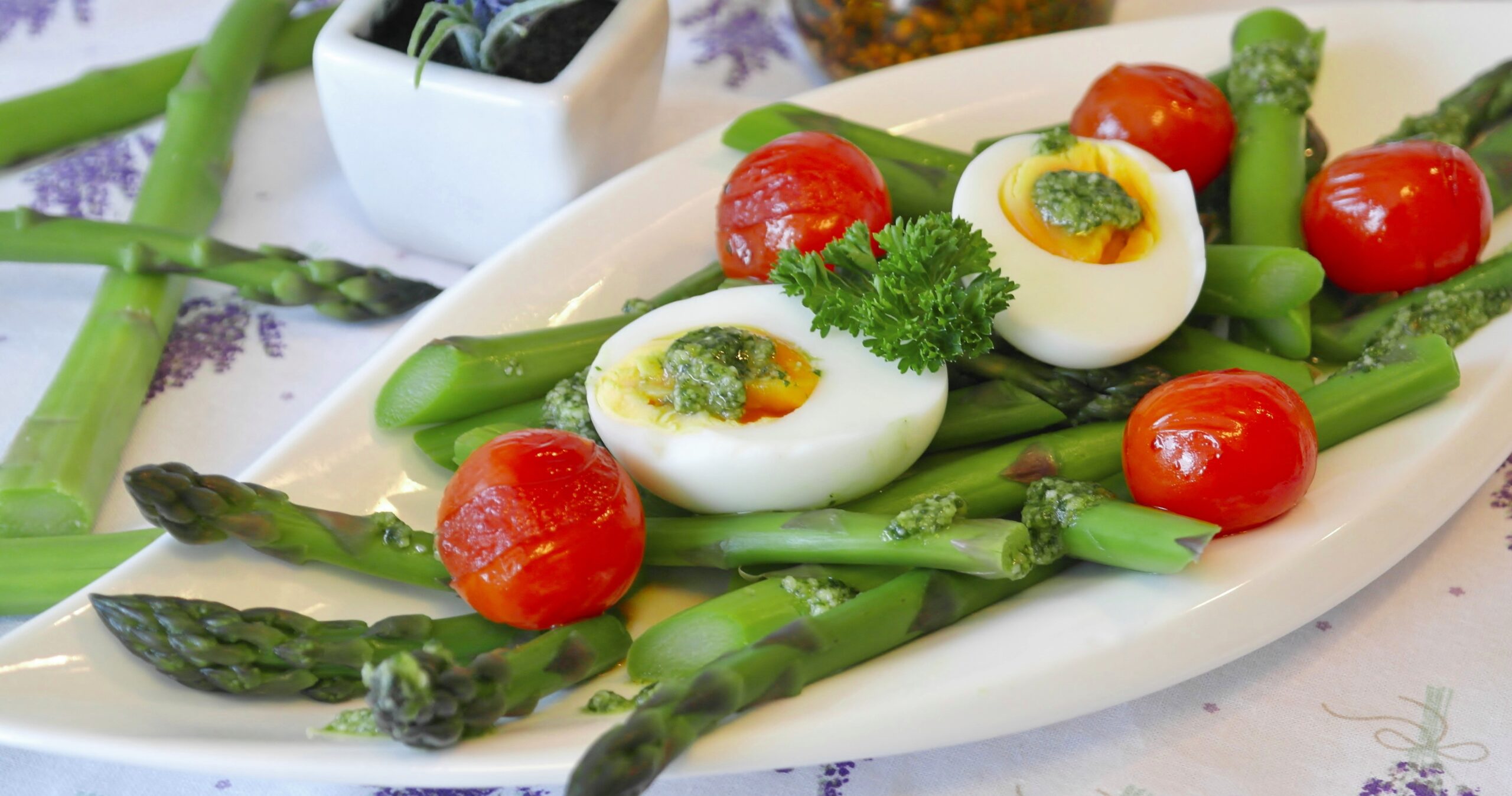
The new Atkins plan, however, takes updated science into consideration. The new plan incorporates the glycemic index and allows followers to subtract fiber grams. In addition, the plan promotes non-starchy “foundation” vegetables such as asparagus, broccoli, leafy greens and string beans.

In 2003 and surrounding years when Atkins was wildly popular, Dr. Westman thinks many people followed the induction phase of the diet and didn’t know what to do after that. The new plan teaches you how to reintroduce carbs gradually based on your body’s metabolism and how it tolerates carbs.

As for me, I’m going to stick with healthy eating habits and exercise and not follow any specific plan. I’ve just never been a believer in following anything other than good nutrition sense. How about you? Will you give the New Atkins plan a try? From mygloss.

Why putting on weight when you’re on a diet can be frustrating

Tuesday, August 17th, 2010

The whole point of going on a diet is so you can lose weight, but what happens on those occasions when you gain weight? It can be incredibly frustrating to have put on a pound or two when you are sure you’ve stuck to your weight-loss plan. It’s the same plan you’ve been following for weeks or months and it hasn’t let you down yet. However, this time it has and you can feel so annoyed that it is tempting to throw in the towel and just eat whatever you want without worrying about it. You know how terrible you’ll feel in the morning if you take such action, though, and so it is worth calming down.

Everyone reaches a plateau eventually, as your body adjusts to being fed so many calories and doing a certain amount of exercise each day. When you stop losing weight you might think that the best course of action would be to reduce your calorie intake further, but this doesn’t always work as this usually requires you to go below a healthy number of calories. If you try to consume less than 1200 calories a day you may not be receiving all the vital nutrients your body requires to continue functioning.

Instead, you could shake up your routine in some other way by taking a couple of days off from the gym and doing something different. You may decide to relax your diet for a week or two so that when you return to your diet plan your body will be ready to lose weight again, having been ‘treated’ to some extra calories and then forced to subsist on fewer calories. As long as you don’t use a plateau as an excuse to give up on your weight-loss plans altogether you will soon be back on track. You don’t want to get distracted by your frustration and never reach your goal.

There are other reasons why you may gain weight when you’re on a diet, such as the inability to exercise as much as usual due to injury or because you’re female and it’s the time of the month when your body retains fluid. It is always frustrating when you gain weight, though, whatever the cause, as you have been counting calories and depriving yourself of your favorite foods for nothing. However, you shouldn’t look at your weight gain in these terms, as otherwise you may struggle to follow through with your plans for weight loss and so you should try to focus on how far you’ve already come. From helium.